An important milestone for health literacy in Australia

The launch of The National Health Literacy Framework

Read more

Join us this Health Literacy Month 2026!

International Health Literacy Month starts on Thursday 1 October

This year's theme

This October we are looking at health literacy through a digital lens. More of our services now start online. People book appointments, get SMS reminders, scan QR codes, use patient portals and fill in online forms. This can help a lot of people, but it can also shut a lot of people out. Digital services can make healthcare easier to access. They can also make it harder for some people.
The 2025 Australian Digital Inclusion Index found that about 2 out of 10 people in Australia are digitally excluded. That rises to about 7 out of 10 people aged 75 and over, and about 4 out of 10 Aboriginal and/or Torres Strait Islander people. Digital exclusion is not only about whether someone has the internet. It also covers what they can afford, access according to where they live and how confident they feel using it.

The toolkit is ready now, so NSW Health staff can plan and schedule local campaigns!

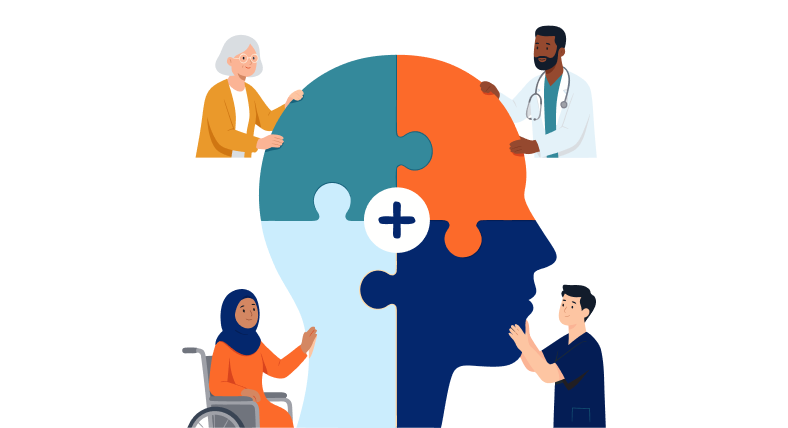
llustration of a head made of puzzle pieces, with diverse people (including a wheelchair user and a doctor) assembling it, representing health literacy and inclusion.”

How can you get involved?

Use our communication toolkit!

We have prepared a health literacy month toolkit for you to use. This toolkit includes:

Weekly:

  • social media tiles 
  • email banners 
  • teams backgrounds
  • intranet images 
  • digital banners
  • A4 print posters

We have prepared the copy for each weekly post, the action cards and end of month wrap up.

Use the guide we provided to keep our message consistent across the month. 


Share the campaign

Share the campaign through your own channels during October. Encourage teams in your district or service to take part.

Everything you need is in the toolkit, so you do not have to write anything from scratch.

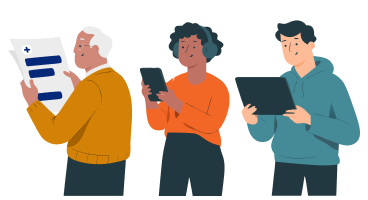
Three people using health information in different formats: an older person reading a paper document, a person checking a phone, and a person reading a tablet.